
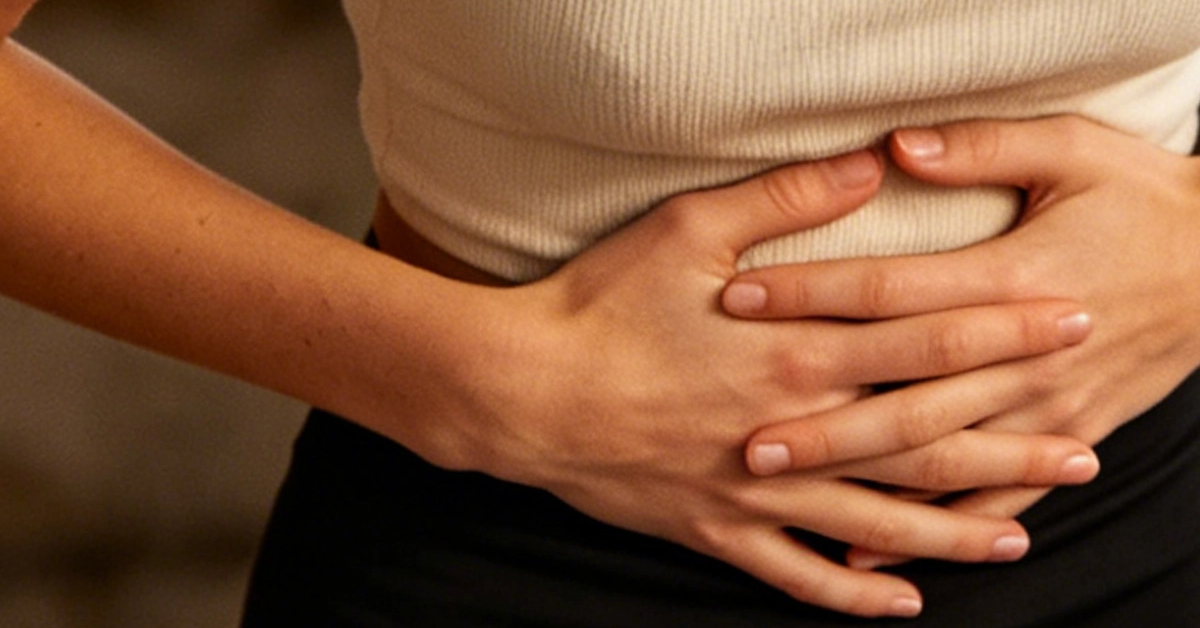
Dealing with frequent bathroom trips, a sudden burning sensation, or unexpected leaks can completely disrupt your daily life. Urinary Tract Infections (UTIs) are incredibly common, especially among women, affecting the upper or lower urinary tract mucosa. When a UTI strikes, knowing what to do immediately—and how to prevent future occurrences—is vital for your long-term health.
While antibiotics treat active infections, strengthening your pelvic floor is the ultimate secret weapon for long-term bladder control and defense against urinary dysfunction symptoms. Let’s look into what causes UTIs, how to manage them, and how using a pelvic floor exerciser can protect your urinary health.
What is a Urinary Tract Infection (UTI)?
A Urinary Tract Infection is an inflammation caused by pathogenic microorganisms invading the urinary tract tissue. Depending on the location of the infection, it is divided into two types:
- Upper Urinary Tract Infections: This includes serious conditions like pyelonephritis (kidney infection) and ureteritis.
- Lower Urinary Tract Infections: The most common forms, affecting the bladder (cystitis) and urethra (urethritis).
Common Abnormal Urination Symptoms to Watch For:
- Urinary Urgency & Incomplete Voiding: Feeling a frequent, intense urge to pee, but only passing a small amount.
- Painful Urination: A sharp, burning, or stabbing pain during urination.
- Changes in Urine Color: Cloudy urine, urethral bleeding, or gross hematuria (blood in the urine).
- Changes in Urine Odor: A strong, foul, or highly irritating smell.
What Causes Urinary Tract Infections?
Understanding the root cause helps you take targeted preventative actions. UTIs generally arise from a mix of lifestyle habits and underlying physical conditions:
1. Unhealthy Lifestyle Habits
Bacteria naturally live around the urethra. When you hold your urine for long periods, you prevent the natural “flushing” mechanism of your bladder, allowing bacteria to multiply rapidly. Prolonged sitting also blocks air circulation in the perineal area, creating a warm, moist environment where bacteria thrive.
2. Disease-Induced & Obstructive Issues
Chronic conditions like diabetes, immunodeficiency disorders, or renal insufficiency can impair bladder contractility. This leads to urinary retention, where the bladder fails to empty completely. Similarly, obstructive urologic diseases (like urinary calculi or urethral strictures) trap urine inside, inviting bacterial overgrowth.
3. Long-term Urinary Catheterization
Indwelling catheters or stents can easily injure the sensitive urethral mucosa, paving a direct pathway for bacteria.
The Connection Between Bladder Health and Pelvic Floor Strength
When you frequently suffer from UTIs, your bladder and pelvic muscles become strained, often triggering pelvic floor dysfunction symptoms. A weak pelvic floor makes it incredibly difficult to empty your bladder fully, leaving stagnant urine behind to harbor bacteria.
This is where a high-quality pelvic floor therapy device comes into play. By re-educating your muscles, a targeted workout helps ensure your bladder contracts and empties efficiently, significantly cutting down infection risks.
| Preventive Strategy | How It Protects the Urinary Tract |
| High Water Intake | Dilutes urine and physically flushes out bacteria. |
| Post-Sex Urination | Washes away bacteria pushed toward the urethra during intercourse. |
| Pelvic Floor Exerciser | Strengthens muscles to ensure complete bladder emptying and stop leaks. |
How to Prevent Urinary Tract Infections: A Complete Action Plan
If you want to know what to do about urinary tract infections permanently, adopt these daily healthy habits:
1. Drink Plenty of Water and Urinate Frequently
Always aim to drink more than 2 liters of water daily (unless restricted by a medical condition). This dilutes your urine and cleanses the urethra. Do not hold your urine; empty your bladder immediately when you feel the urge.
2. Practice Good Personal Hygiene
Always wipe from front to back after using the bathroom to avoid moving fecal bacteria toward your urethral opening. Choose loose, breathable cotton clothing over tight garments, and minimize the use of heavily scented hygiene products.
3. Use an Electronic Pelvic Floor Exerciser
Using an automatic device takes the guesswork out of pelvic health. To keep your muscles toned and functioning correctly, explore the complete selection at the Pelvic Floor Exerciser Shop.
If you are already using a stimulation trainer, ensuring your equipment is clean and highly conductive is vital. Upgrading to professional accessories like the 6cm x 9cm Rectangular Electrode Pads for Pelvic Floor Trainers ensures your therapy is comfortable, safe, and highly effective at restoring muscle tone.
4. Post-Intercourse Habits
Urinate immediately after sexual activity to flush away any bacteria that may have entered the urethral opening.
