
Compare Pelvic Floor Devices
Trying to decide between different pelvic floor therapy devices? This page lets you compare pelvic floor devices side by side, so you can see exactly how their features, benefits, and best-use cases stack up before you buy.
Why Comparing Matters
Not all pelvic floor devices work the same way. Some rely on resistance training, others use electrical muscle stimulation, and some offer biofeedback to confirm you’re engaging the correct muscles. Choosing the wrong type for your needs can slow your progress, which is why we built this tool to let you compare pelvic floor devices directly rather than guess based on product descriptions alone.
What to Look For When You Compare
When you compare pelvic floor devices, a few factors matter most:
- Device type: resistance-based trainers, EMS stimulators, and biofeedback devices each suit different needs and experience levels.
- Ease of use: beginners often benefit from guided or app-connected devices, while more experienced users may prefer simpler resistance tools.
- Intended use case: postpartum recovery, general strengthening, and menopause-related symptoms may call for different device features.
- Comfort and materials: body-safe, medical-grade silicone and ergonomic design matter for consistent, comfortable use.
According to NIDDK, the right, consistent pelvic floor training approach makes a meaningful difference in outcomes like bladder control — which is exactly why choosing the right device matters as much as using it consistently.
How to Use This Page
Select the products you’d like to compare, and we’ll lay out their key specifications, features, and pricing side by side. This makes it easier to make an informed decision without switching between multiple product pages. If you’re not sure where to start, our complete guide to pelvic floor therapy devices breaks down the main categories in more depth.
Still unsure which device fits your needs after comparing? Our team is happy to help — just reach out with your goals, and we’ll point you in the right direction.
Pelvic Floor Device Types Explained
Before comparing specific products, it helps to understand the three main categories of pelvic floor devices and what each one is actually designed to do. Most confusion when choosing a device comes from assuming they’re interchangeable — they’re not.
Resistance-Based Trainers
Resistance trainers — most commonly weighted Kegel balls or cones — work by adding passive weight or resistance that your pelvic floor muscles must actively hold and engage against. You perform the contraction yourself; the device simply gives your muscles something to work against, similar to how a dumbbell adds resistance to a bicep curl.
Best suited for: people who can already feel and isolate their pelvic floor muscles and want to build strength and endurance through active, repeated engagement.
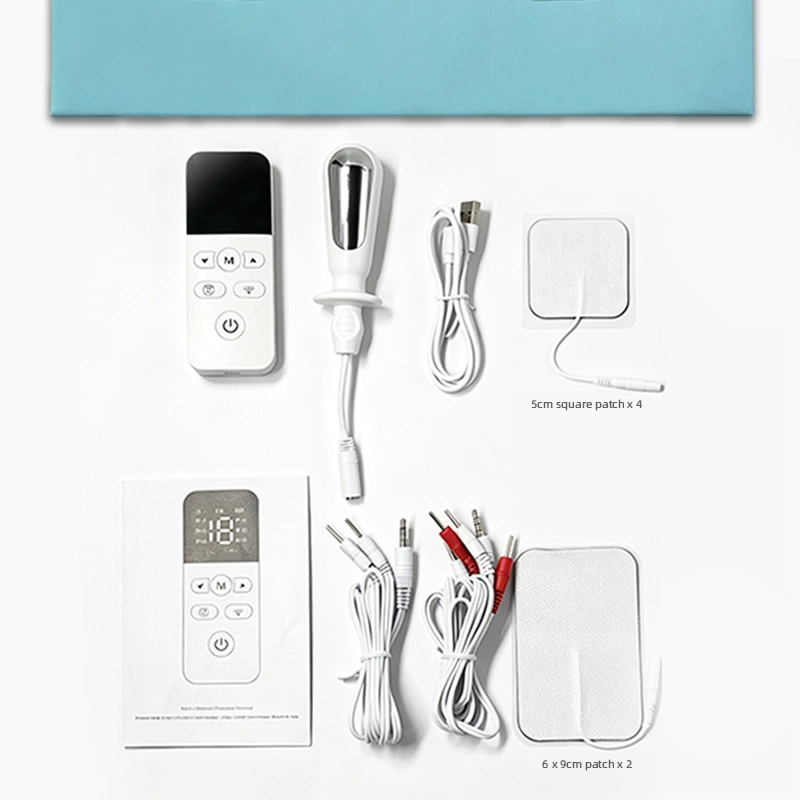
EMS (Electrical Muscle Stimulation) Devices
EMS devices use a low-level electrical current, typically delivered through an internal probe, to trigger pelvic floor muscle contractions directly — without you needing to consciously initiate the squeeze. The device does the contracting; you simply stay in position for the session.
Best suited for: people who struggle to feel or locate the correct muscles on their own, or who want a more structured, hands-off training session.
Biofeedback Devices
Biofeedback devices add a sensor that detects your own muscle activity during a contraction and displays it back to you — usually through a screen, app, or light indicator — so you can confirm in real time whether you're engaging the right muscle group, and how strong that contraction actually is.
Best suited for: people who’ve been unsure about their technique for a while and want direct confirmation, rather than guessing, that they’re doing it correctly.
Can These Categories Overlap?
Yes — many devices combine more than one function. A single device might offer both EMS stimulation and a biofeedback display, for example, letting you use stimulation on days you need it and switch to biofeedback training as your muscle awareness improves. When comparing devices on this page, check whether a product falls into a single category or combines features from more than one, since that affects both price and how the device fits into your routine.
FAQs
Which Pelvic Floor Device Is Best for Beginners?
Beginners generally do well starting with either resistance-based trainers (like Kegel balls) or a biofeedback device, since both help you confirm you’re engaging the correct muscles. EMS stimulation devices can also work well for beginners who struggle to feel the muscle at all, as they trigger the contraction for you while you learn.
What's the Difference Between a Resistance Trainer and an EMS Device?
A resistance trainer (like weighted Kegel balls) relies on your own active, voluntary muscle contractions against physical resistance, while an EMS device uses electrical stimulation to trigger the contraction involuntarily. Resistance training builds voluntary control; EMS can help when you can’t yet feel or isolate the right muscles on your own.
Do I Need a Biofeedback Device, or Can I Just Use Kegel Balls?
It depends on how confident you are in your technique. If you’ve struggled to tell whether you’re engaging the correct muscles, a biofeedback device gives you a visual or digital confirmation that removes the guesswork. If you’re already confident in your technique, Kegel balls alone can be an effective, lower-cost option.
Which Device Is Best for Postpartum Recovery Specifically?
This depends on your specific healing stage and any provider clearance you’ve received. Many postpartum users start with gentle resistance training once cleared, while others — particularly those who struggle to reconnect with the muscle after childbirth — find a biofeedback or EMS device more useful for rebuilding that initial mind-muscle connection.
Can I Compare More Than Two Devices at Once on This Page?
Yes — select as many products as you’d like to compare, and the tool will lay out their specifications, features, and pricing side by side so you’re not switching between individual product pages to compare manually.
Are All Pelvic Floor Devices Made From the Same Material?
No. Materials vary by device and manufacturer, commonly including medical-grade silicone, TPE plastic, or other body-safe materials. Material matters for comfort, hygiene, and how a device holds up over repeated use, so it’s worth checking each product’s specific material listing when comparing.
Which Device Type Is Best for Menopause-Related Symptoms?
Needs can vary depending on whether your main concern is muscle weakness, bladder control, or vaginal tissue changes related to menopause. Reviewing each device’s intended use case in the comparison — rather than assuming one device type fits all menopause-related concerns — will help match the right tool to your specific symptoms.
How Do I Know if I Need an App-Connected Device or a Simpler Manual One?
App-connected devices tend to suit people who want guided programs, progress tracking, or extra motivation through reminders and data. Simpler manual tools (like basic resistance trainers) tend to suit people who prefer a straightforward routine without needing to manage an app alongside it.
Does a Higher Price Always Mean a Better Pelvic Floor Device?
Not necessarily. Price often reflects added features like biofeedback displays, app connectivity, or multiple stimulation programs, but the “best” device is the one that matches your specific use case and comfort — not necessarily the most expensive option on the comparison table.
What If I Compare Devices and I'm Still Not Sure Which One Is Right for Me?
That’s exactly what the comparison tool is designed to narrow down, but if you’re still unsure after reviewing the side-by-side details, reach out to the team directly with your specific goals, and they can help point you toward the right fit based on your situation.