
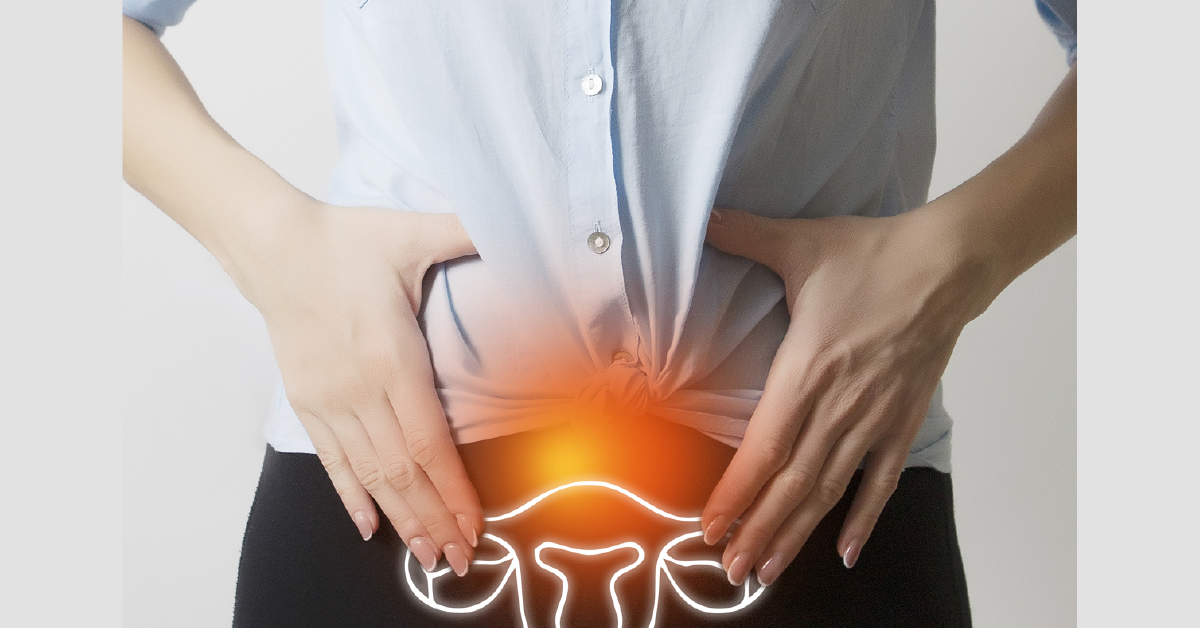
Have you ever leaked a small amount of urine while coughing, sneezing, laughing, or exercising?
If so, you are not alone. Millions of women and men experience pelvic floor issues every year. Unfortunately, many people assume these symptoms are a normal part of aging, pregnancy, or childbirth. However, weakened pelvic floor muscles can often be improved with the right exercises, lifestyle changes, and a Pelvic Floor Therapy Device.
A Pelvic Floor Therapy Device is designed to help strengthen and retrain the muscles that support the bladder, bowel, and reproductive organs. Whether you are recovering from childbirth, managing pelvic floor dysfunction symptoms, or simply looking to improve pelvic health, understanding how these muscles work is the first step toward recovery.
What Are Pelvic Floor Muscles?
The pelvic floor muscles form a supportive sling at the base of the pelvis. These muscles help support the bladder, uterus, rectum, and surrounding organs.
Healthy pelvic floor muscles contribute to:
- Bladder control and urinary continence
- Bowel control and regular functions
- Core stability and lower back support
- Sexual function and satisfaction
- Posture and balance
When these muscles weaken, symptoms such as urinary leakage, pelvic pressure, and reduced core strength may develop.
Why Do Pelvic Floor Muscles Become Weak?
Several factors can contribute to pelvic floor weakness over time. The table below outlines the primary causes and their direct impact:
|
Cause |
Impact on Pelvic Floor |
|
Pregnancy |
Increased physical pressure on the pelvic muscles over 9 months. |
|
Childbirth |
Stretching and potential muscle damage during delivery. |
|
Aging |
Natural, gradual loss of skeletal muscle strength and tone. |
|
Menopause |
Reduced estrogen support, which maintains tissue elasticity. |
|
Chronic Cough |
Repeated, sudden increases in intra-abdominal pressure. |
|
Obesity |
Constant additional strain placed on the pelvic tissues. |
|
Constipation |
Chronic, repeated straining during bowel movements. |
Common Pelvic Floor Dysfunction Symptoms
Pelvic floor dysfunction can affect people differently. Recognizing these symptoms early can help prevent long-term complications:
- Urinary leakage (Stress Urinary Incontinence)
- Frequent or sudden, uncontrollable urges to urinate
- Difficulty fully emptying the bladder
- A feeling of pelvic pressure or heaviness
- Lower back discomfort or pelvic pain
- Pain during intercourse
- Chronic constipation
- Reduced core and pelvic stability
How a Pelvic Floor Therapy Device Works
One of the biggest challenges with pelvic floor exercises (like Kegels) is knowing whether you are engaging the correct muscles. A Pelvic Floor Therapy Device provides physical feedback or gentle electrical stimulation to help users develop better muscle awareness and control.
Key Benefits:
- Improved Bladder Control: Noticeable reduction in accidental leaks.
- Increased Muscle Strength: Targeted activation of deep pelvic floor tissues.
- Better Consistency: Keeps you accountable with guided, trackable routines.
- Enhanced Coordination: Helps you learn both how to contract and fully relax the muscles.
- Postpartum Recovery: Accelerates tissue rehabilitation after pregnancy.
Pro Tip: Many individuals combine these devices with a dedicated Pelvic Floor Exerciser or Pelvic Floor Trainer for a structured, daily rehabilitation program.
Pelvic Floor Exerciser vs. Pelvic Floor Machine
Many people are confused by the different names used in pelvic rehabilitation products. Here is a quick breakdown of how they differ:
|
Device Type |
Primary Purpose |
|
Pelvic Floor Exerciser |
General muscle strengthening and toning. |
|
Pelvic Floor Trainer |
Guided exercise support, often connecting to an app for biofeedback. |
|
Pelvic Floor Machine |
Technology-assisted training using clinical-grade mechanisms. |
|
Electronic Pelvic Toner |
Uses mild electrical muscle stimulation (EMS) to actively contract muscles. |
|
Pelvic Toner |
General resistance tools for everyday pelvic strengthening. |
Postpartum Recovery and Pelvic Floor Health
Pregnancy and childbirth place significant strain on the pelvic floor. Women recovering after delivery safely benefit from a combination of layered rehabilitation strategies:
- Targeted pelvic floor exercises.
- App-guided rehabilitation programs.
- Proper deep diaphragmatic breathing techniques.
- Professional pelvic floor physical therapy (especially when dealing with diastasis recti or abdominal separation).
- Technology-assisted muscle training via home toning devices.
Consistent rehabilitation helps restore muscle function, prevents prolapse, and rebuilds core confidence.
How to Tell if the Pelvic Floor Is Tight or Weak
Many people assume all pelvic floor problems involve weakness. However, some individuals experience a hypertonic (hyperactive or too tight) pelvic floor instead.
Signs of a Tight Pelvic Floor
- Persistent pelvic pain
- Pain or discomfort during intimacy
- Chronic constipation or straining
- Difficulty completely relaxing the muscles or starting urination
Signs of a Weak Pelvic Floor
- Urine leakage when coughing, jumping, or laughing
- A feeling of pelvic heaviness or bulging
- Reduced support for pelvic organs
- Overall bladder and bowel control issues
Do Men Have a Pelvic Floor?
Yes. Men have the exact same pelvic floor muscle structure. In men, these muscles support the bladder and bowel while playing a critical role in erectile function, sexual performance, and overall core stability.
Signs of a Weak Pelvic Floor in Men:
- Post-urination dribbling or leaking
- Frequent, urgent need to visit the bathroom
- Deep pelvic or groin discomfort
- Reduced bowel control
- Sexual performance and erectile concerns
Pelvic floor therapy for men is becoming increasingly common as clinical awareness grows worldwide.
Additional Exercises for Pelvic Floor Health
In addition to using a device, integrating holistic movement disciplines can significantly speed up your progress.
Yoga for Pelvic Floor
- Improves overall hip and pelvic flexibility.
- Enhances deep breathing patterns that sync with pelvic movement.
- Reduces chronic muscle tension in hypertonic individuals.
Pelvic Floor Muscles Pilates
- Focuses heavily on deep core stability (the transverse abdominis).
- Tailors posture and spinal alignment.
- Sharpens controlled movement and muscle coordination.
Recommended Pelvic Floor Products
If you are looking for reliable, high-quality tools to support your pelvic health journey, explore these trusted options:
- Pelvic Floor Exerciser Shop — Browse a curated selection of home rehabilitation devices tailored to your specific recovery goals.
- Rectangular Electrode Pads for Pelvic Floor Trainer — Premium 6cm x 9cm replacement pads designed to maintain excellent conductivity and maximum comfort during your electronic stimulation sessions.
Lifestyle Tips for Long-Term Pelvic Health
To maintain a healthy, resilient pelvic floor throughout your life:
- Stay physically active: Engage in low-impact exercises that protect the pelvic floor.
- Maintain a healthy weight: Reduces chronic intra-abdominal pressure.
- Avoid chronic constipation: Eat plenty of fiber and stay hydrated to prevent straining.
- Practice proper lifting techniques: Exhale on the exertional lift; never hold your breath.
- Perform regular exercises: Keep up with consistency, even after symptoms clear up.
- Seek early treatment: Address minor leaks before they become major daily issues.
