
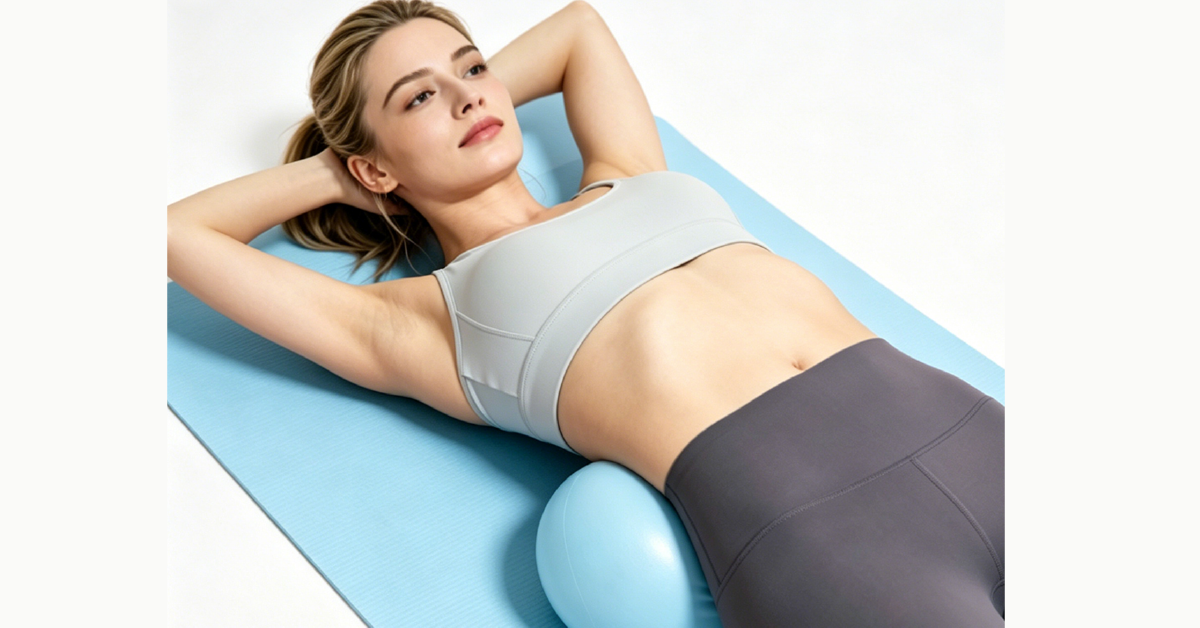
Empty your bladder before each training session. Otherwise, pressure on the bladder will increase during exercise, which reduces training effectiveness and may even lead to urinary tract infections.
1. Locate your pelvic floor muscles first
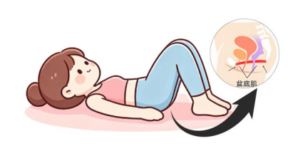
2. Adopt a comfortable position
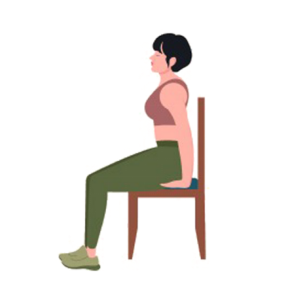
Sitting position: Sit on the edge of a chair with your back straight, legs naturally apart, feet flat on the floor. Avoid slouching or hunching.
Lying position: Lie on your back with knees bent, legs shoulder-width apart, soles flat on the ground. Place your hands on either side of your body or on your abdomen, and keep your whole body relaxed.
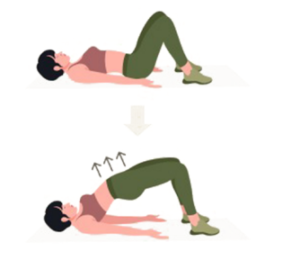
Standing position: Stand with feet shoulder-width apart, knees slightly bent, arms hanging naturally, and abdomen relaxed.
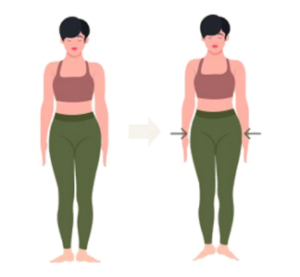
3. Correct contraction and relaxation
- Contraction: Slowly and firmly contract your pelvic floor muscles, as if holding back urine or pulling your anus upward. Feel the muscles tightening toward your abdomen and hold for 3–5 seconds(beginners may start with 2 seconds and gradually increase).
- Relaxation: Relax slowly after contraction to allow full recovery of the pelvic floor muscles. Do not release suddenly. Relax for the same length of time as the contraction (e.g., 3 seconds contraction, 3 seconds relaxation).
- Breathing coordination: Exhale slowly when contracting, inhale slowly when relaxing. Do not hold your breath(holding breath causes abdominal tension and reduces effectiveness).
4. Precautions
Empty your bladder before trainingtraining. A full bladder puts pressure on the pelvic floor muscles and weakens muscle control. Always urinate first to avoid urine leakage. Perform 3 times a day, 10 minutes each time.
Breathe correctly. occurs Exhale slowly during contraction and inhale slowly during relaxation. Let your breath guide the movement; avoid holding your breath.
Stick to a fixed training schedule to form a habit. Train at fixed times every day (such as morning or bedtime) to build muscle memory, which works better than irregular practice.
Special tips for postpartum mothers: Start training under medical guidance after the 42-day postpartum checkup. Do not perform high-intensity exercises too early to prevent pelvic floor injury.
Stop immediately if discomfort occurs. If you feel pain, worsening incontinence, or lower abdominal distension during training, stop at once and seek medical evaluation of your pelvic floor function.
