
Millions of women experience unexpected urine leakage at some point in their lives. Yet many stay silent about it out of embarrassment. The truth is, urinary incontinence is one of the most common and most treatable health issues affecting women of all ages. Whether it happens during a workout, a sneeze, or seemingly out of nowhere, understanding why it happens is the first step toward fixing it.
This guide breaks down the causes, types, symptoms, and proven treatments for urinary incontinence. That includes pelvic exercises, lifestyle changes, and modern pelvic floor therapy devices that can help you regain bladder control.
What Is Urinary Incontinence?
Urinary incontinence refers to the involuntary loss of bladder control. It results in urinary leakage that ranges from a few drops to a complete loss of bladder contents. It’s not a disease in itself. It’s a symptom that something in the urinary system, nervous system, or supporting muscles isn’t working the way it should.
At the center of bladder control are your pelvic floor muscles. This group of muscles stretches like a hammock across the bottom of your pelvis. It supports the bladder, uterus, and bowel while also controlling the opening and closing of the urethra. When these muscles are strong and coordinated, they hold the urethra closed under pressure. When they’re weak, damaged, or overactive, urinary leakage can occur during everyday activities like laughing, lifting, or even standing up.
According to the National Institute of Diabetes and Digestive and Kidney Diseases (NIDDK), urinary incontinence affects a significant percentage of women at some point in their lives. The risk increases with age, pregnancy, and menopause.
What Causes Urinary Incontinence?
Urinary incontinence rarely has a single cause. It usually develops from a combination of physical changes, muscle weakness, and nerve signaling issues.
Pregnancy and Childbirth
Pregnancy places continuous pressure on the pelvic floor, and vaginal delivery can stretch or tear the muscles and connective tissue that support the bladder and urethra. This is one of the most common reasons women develop urinary leakage after having children. It can appear months or even years after delivery if the pelvic floor isn’t properly rehabilitated.
Menopause
During menopause, declining estrogen levels cause the tissues of the urethra and vaginal walls to thin and lose elasticity. Estrogen helps keep the lining of the bladder and urethra healthy, so this hormonal shift often triggers or worsens both stress and urge incontinence.
Nerve Damage
The bladder relies on precise nerve signals to know when it’s full and when it’s time to release urine. Conditions such as diabetes, multiple sclerosis, spinal injuries, or even complications from pelvic surgery can interfere with these signals. This leads to poor bladder control or bladder spasms.
Overactive Bladder
An overactive bladder occurs when the bladder muscle contracts involuntarily, even when it isn’t full. This creates a sudden, intense urge to urinate and can lead to leakage before you’re able to reach a bathroom.
Weak Pelvic Floor Muscles
Weak pelvic floor muscles are arguably the single biggest contributor to urinary leakage. Age, lack of exercise, obesity, chronic coughing, and repeated heavy lifting can all weaken this muscle group over time. When the pelvic floor can no longer support the bladder and urethra properly, the result is often pelvic floor dysfunction. This is a broad term describing when these muscles don’t contract or relax the way they should, contributing to both leakage and, in some cases, painful bladder spasms.
Types of Urinary Incontinence
Not all bladder leakage is the same. Identifying which type you’re experiencing is essential for choosing the right treatment.
Stress Urinary Incontinence
One of the most common forms is stress urinary incontinence. Many people search for incontinence stress incontinence when looking for information about urine leakage that occurs during coughing, sneezing, laughing, or exercising. This type happens when physical pressure or “stress” on the bladder overcomes a weakened urethra’s ability to stay closed. It’s especially common after childbirth or during menopause, when pelvic support tissue has been stretched or weakened.
Urge Urinary Incontinence
Urge incontinence, often linked to an overactive bladder, causes a sudden and intense need to urinate followed by involuntary leakage. It can be triggered by running water, changes in temperature, or even just walking through the front door — a phenomenon sometimes called “latchkey incontinence.”
Mixed Urinary Incontinence
As the name suggests, mixed urinary incontinence is a combination of both stress and urge incontinence. Many women experience elements of both: leaking during physical activity and sudden, hard-to-control urges. Treatment for mixed incontinence typically needs to address both mechanisms at once.
Symptoms of Urinary Incontinence
Recognizing the symptoms early can help you seek treatment before the condition worsens.
Common Symptoms
- Frequent urination, often more than eight times a day
- Leakage during physical activity, coughing, or sneezing
- A sudden, strong urgency to urinate
- Waking up multiple times at night to urinate (nocturia)
- Bladder spasms — sudden, involuntary contractions of the bladder muscle that can feel like cramping or a strong urge to go
- Difficulty fully emptying the bladder
Pain in the Bladder After Urination
Some women also report pain in the bladder after urination. This can feel like a dull ache, pressure, or burning sensation once you’ve finished going to the bathroom. This symptom differs from simple urgency and may indicate an underlying urinary tract infection, interstitial cystitis, or pelvic floor muscle tension that doesn’t fully relax after voiding. If this pain is persistent, recurring, or accompanied by fever or blood in the urine, see a doctor rather than waiting for it to resolve on its own.
Management & Treatment for Urinary Incontinence
The good news: urinary incontinence is highly manageable and, in many cases, reversible. This is especially true when it’s addressed early with the right combination of exercise, lifestyle changes, and targeted therapy.
Pelvic Exercises for Incontinence
Pelvic exercise incontinence treatment starts with strengthening the muscles that control the bladder. This is often the first line of defense recommended by doctors and physical therapists alike.
- Kegel Exercises: These involve contracting and relaxing the pelvic floor muscles in a controlled, repeated pattern to rebuild strength and endurance. Consistency matters more than intensity. Most experts recommend performing kegels several times a day over a period of weeks or months to see results. If you’re unsure whether you’re engaging the right muscles, our guide on correct posture for Kegel exercises walks through the proper technique step by step.
- Pelvic Floor Therapy: Structured pelvic floor therapy programs, whether guided by a physical therapist or supported by an at-home device, use targeted muscle stimulation and biofeedback. This helps you train the correct muscles more effectively than exercise alone. Devices like the TPFHealth Electronic Pelvic Toner are designed specifically to support this kind of guided muscle retraining at home.
- Physical Therapy: A pelvic floor physical therapist can assess muscle strength, coordination, and any areas of tightness or weakness. They’ll then build a personalized plan that may include manual therapy, biofeedback, and progressive strengthening exercises.
Bladder Retraining
Bladder retraining is a behavioral technique that gradually increases the time between bathroom visits. By following a set urination schedule and slowly extending the intervals, you can train your bladder to hold larger volumes of urine. This reduces the frequency of urgent, uncontrollable urges.
Dietary Changes
Certain foods and drinks are known bladder irritants, including caffeine, alcohol, carbonated drinks, spicy foods, and artificial sweeteners. Reducing these can significantly ease bladder spasms and urgency. Staying properly hydrated is also key to long-term bladder health — restricting fluids can actually irritate the bladder further.
Weight Management
Excess body weight puts continuous downward pressure on the bladder and pelvic floor, which can worsen both stress and urge incontinence. Many women also search for weight reduction near me, since maintaining a healthy body weight can significantly reduce pressure on the bladder and pelvic floor muscles. Even a modest reduction in weight has been shown to meaningfully improve incontinence symptoms, according to research published by the American College of Obstetricians and Gynecologists (ACOG). Combining weight management with a local, doctor-supervised program or a registered dietitian can offer the most sustainable results.
Can Holding in Urine Cause a Bladder Infection?
Yes. Regularly holding in urine for long periods gives bacteria more time to multiply within the bladder and urinary tract. This increases the risk of a urinary tract infection (UTI). Delaying urination also prevents the bladder from fully flushing itself out, which is one of the body’s natural defenses against bacterial buildup. Over time, habitually holding urine can also stretch and weaken the bladder muscle. This makes it harder to fully empty the bladder, which then increases the chances of both infection and urinary leakage.
If you frequently experience urinary urgency followed by discomfort, or notice pain in the bladder after urination, it may be worth reading our related article on what to do about urinary tract infections for a deeper look at symptoms, causes, and recovery support.
Products That Help Manage Urinary Incontinence
While exercise and lifestyle changes form the foundation of treatment, the right products can make daily life significantly more manageable while you rebuild pelvic floor strength.
Pads for Urinary Incontinence
Pads for urinary incontinence are designed specifically to absorb urine leakage. This is unlike regular menstrual pads, which aren’t built to handle the different pH and volume of urine.
- Disposable pads are convenient for daily use, come in a range of absorbency levels, and are easy to dispose of on the go — ideal for women who are active outside the home.
- Reusable pads are a more eco-friendly and cost-effective option over time, typically made from moisture-wicking, washable fabric.
- When to use them: Light pads work well for occasional stress incontinence. Heavier absorbency pads or protective underwear are better suited for moderate to severe urge or mixed incontinence. Pads are a helpful management tool, but they treat the symptom, not the underlying muscle weakness. Pairing them with pelvic floor therapy offers a path toward actually reducing leakage over time.
Pelvic Floor Therapy Devices
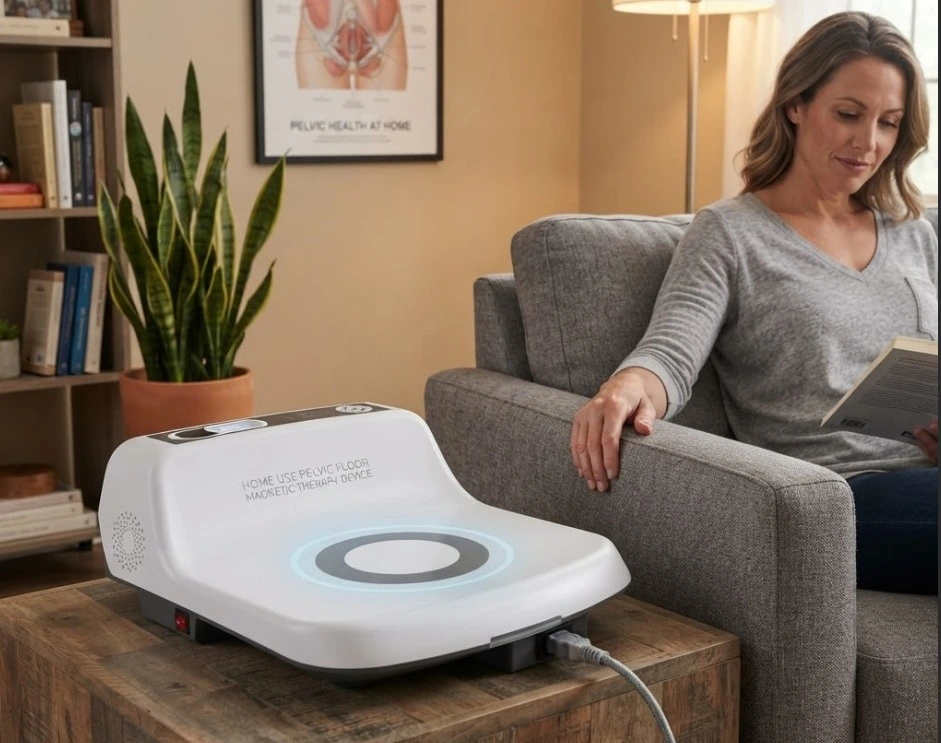
At-home pelvic floor therapy devices have become a popular, non-invasive option for women who want to strengthen their pelvic floor without a clinic visit for every session. Devices such as the Low-Frequency Pulse Therapeutic Pelvic Floor Machine use gentle electronic stimulation to activate and strengthen pelvic floor muscles. Tools like Kegel exercise balls provide resistance training to build muscle endurance over time. For a full breakdown of how these devices work and which one might suit your needs, see our complete guide to pelvic floor therapy devices.
Treatment for Urinary Incontinence in Elderly Female Patients
Treatment for urinary incontinence in elderly female patients often requires a more layered approach. Age-related muscle loss, chronic conditions, and medication side effects can all play a role.
- Physical Therapy: Pelvic floor physical therapy remains effective at any age and can be adapted to accommodate mobility limitations or existing health conditions.
- Medication: Doctors may prescribe medications that calm an overactive bladder or address underlying hormonal changes contributing to urinary leakage.
- Lifestyle: Simple adjustments — such as scheduled bathroom visits, reducing bladder irritants, and improving mobility to reach the bathroom more easily — can meaningfully reduce accidents.
- Pelvic Floor Therapy: Guided pelvic floor therapy, whether through a clinician or a well-designed at-home device, helps rebuild muscle tone that naturally declines with age.
- Medical Devices: In some cases, doctors may recommend a pessary or other supportive device to help hold pelvic organs in place and reduce pressure-related leakage.
Elderly patients are also more susceptible to UTIs and skin irritation from prolonged leakage. Combining pads for urinary incontinence with an active pelvic floor strengthening routine tends to produce the best quality-of-life outcomes.
Frequently Asked Questions
What are bladder spasms?
Bladder spasms are sudden, involuntary contractions of the bladder muscle. They can cause a strong, urgent need to urinate, sometimes with leakage, even when the bladder isn’t full.
Can holding in urine cause bladder infection?
Yes. Holding urine for extended periods allows bacteria to multiply in the bladder and prevents it from fully flushing itself, increasing the risk of a UTI.
What causes stress urinary incontinence?
Stress urinary incontinence is caused by weakened pelvic floor muscles and urethral support. This often results from pregnancy, childbirth, menopause, or repeated physical strain, which allows urine to leak during coughing, sneezing, or exercise.
Can pelvic exercises help urinary incontinence?
Yes. Pelvic exercises, especially Kegels and guided pelvic floor therapy, are among the most effective first-line treatments for strengthening the muscles that control bladder leakage.
Are pads for urinary incontinence effective?
Pads are effective for managing leakage day-to-day, but they don’t address the underlying muscle weakness. They work best alongside pelvic floor strengthening for long-term improvement.
What is the best treatment for urinary incontinence in elderly female patients?
A combination of pelvic floor physical therapy, lifestyle adjustments, and, when needed, medication or medical devices tends to offer the best results for elderly women.
Can weight loss improve bladder leakage?
Yes. Reducing excess body weight lowers pressure on the bladder and pelvic floor, which can significantly reduce both stress and urge incontinence symptoms.
When should I see a doctor?
See a doctor if you experience persistent pain in the bladder after urination, blood in your urine, fever, leakage that disrupts daily life, or symptoms that don’t improve with pelvic exercises and lifestyle changes.
Conclusion
Urinary incontinence is common, but it isn’t something you have to simply live with. Understanding the cause — whether it’s stress incontinence from childbirth, an overactive bladder, or muscle weakness related to menopause or aging — is the first step toward real improvement. From pelvic exercises and bladder retraining to weight management and dietary changes, most women see meaningful progress with consistent, targeted treatment. And when it comes to elderly patients, a combined approach involving physical therapy, medical support, and the right products can dramatically improve daily comfort and confidence.
If you’re ready to start strengthening your pelvic floor from home, explore our range of clinically designed pelvic floor therapy devices or reach out to our team through our contact page for personalized guidance on the right solution for you.
